I makecomplex thingsfeel simple.
With 25 years across fintech, enterprise, and high-traffic consumer platforms – I bring the experience to own the full journey, from messy discovery to polished delivery.
- Discipline
- UX & Product Design
- Based
- Salten, Denmark
- Status
- Open to senior in-house roles
01Selected work — 08 cases
Discover how thoughtful UX and UI designhave transformed ideas intolovable experiences.
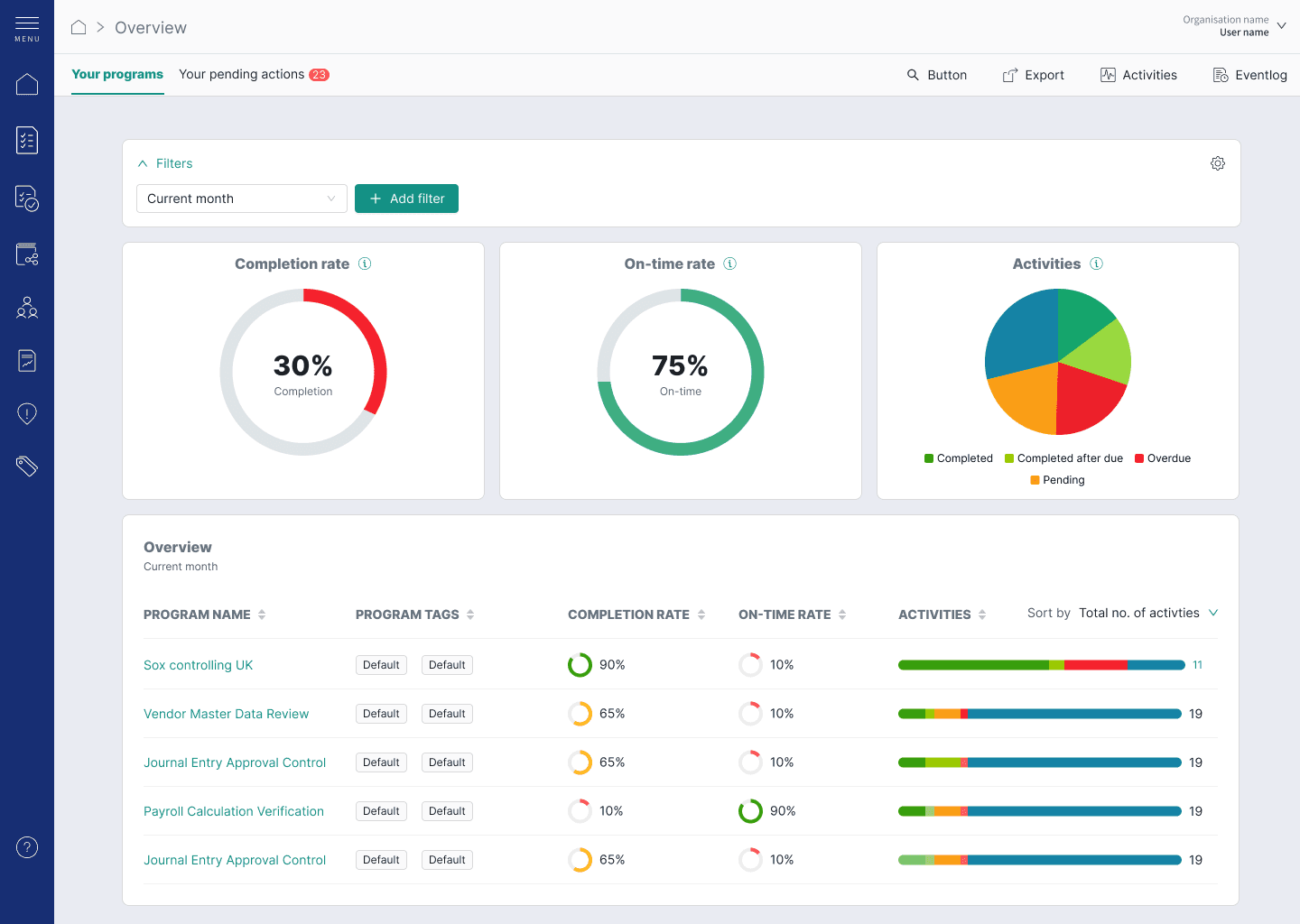
- 01Enterprise GRC / SaaS · 2018 — 2026
Impero
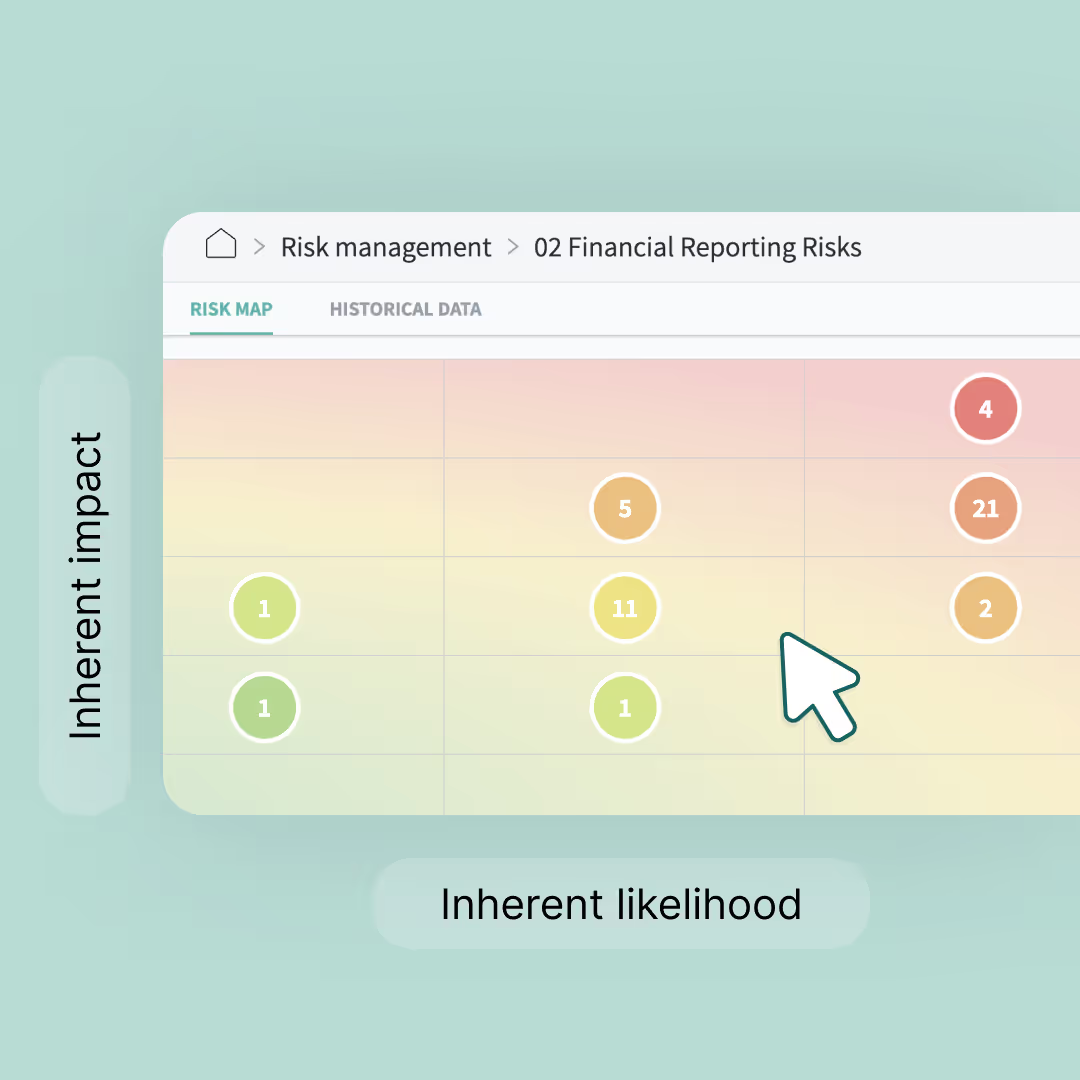
Designing for compliance: making complex workflows feel manageable
- Product discovery
- UX research
- Journey mapping
- Workflow design
- 02Banking / fintech · 2015 — 2018
BankData & Jyske Bank
Banking / fintech
The stakes of getting it wrong were very real.
Banking work. No screens shown.
E-banking for millions of Danes
- Information architecture
- User flows
- Wireframing
- Prototyping
- 03Self-initiated / applied · 2025 — 2026
AI Prototypes
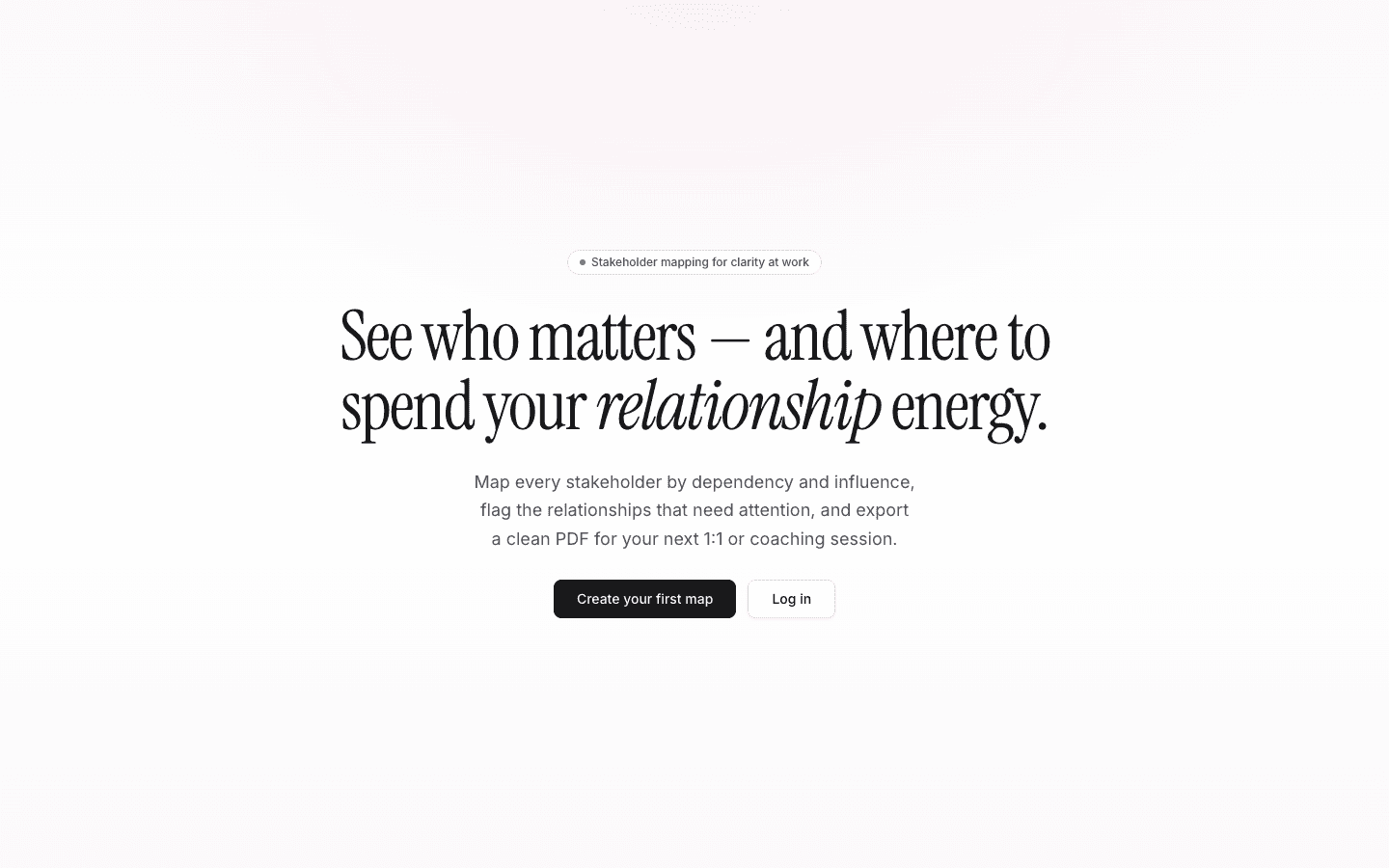
Working prototypes, built to find out what AI-assisted design actually does
- AI-assisted prototyping
- Vibe coding
- Product design
- Rapid prototyping
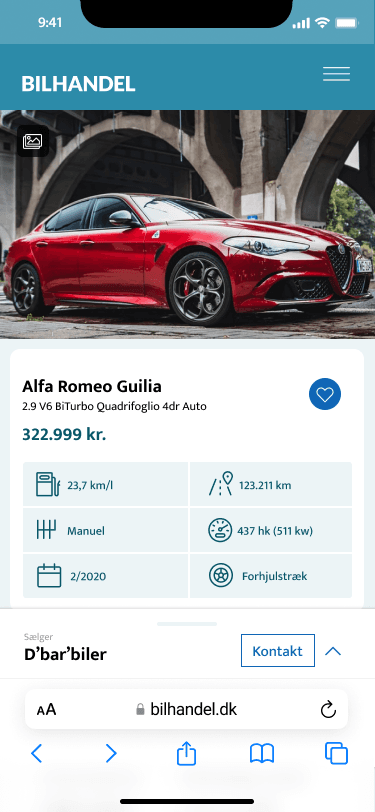
- 04Marketplace · 2024
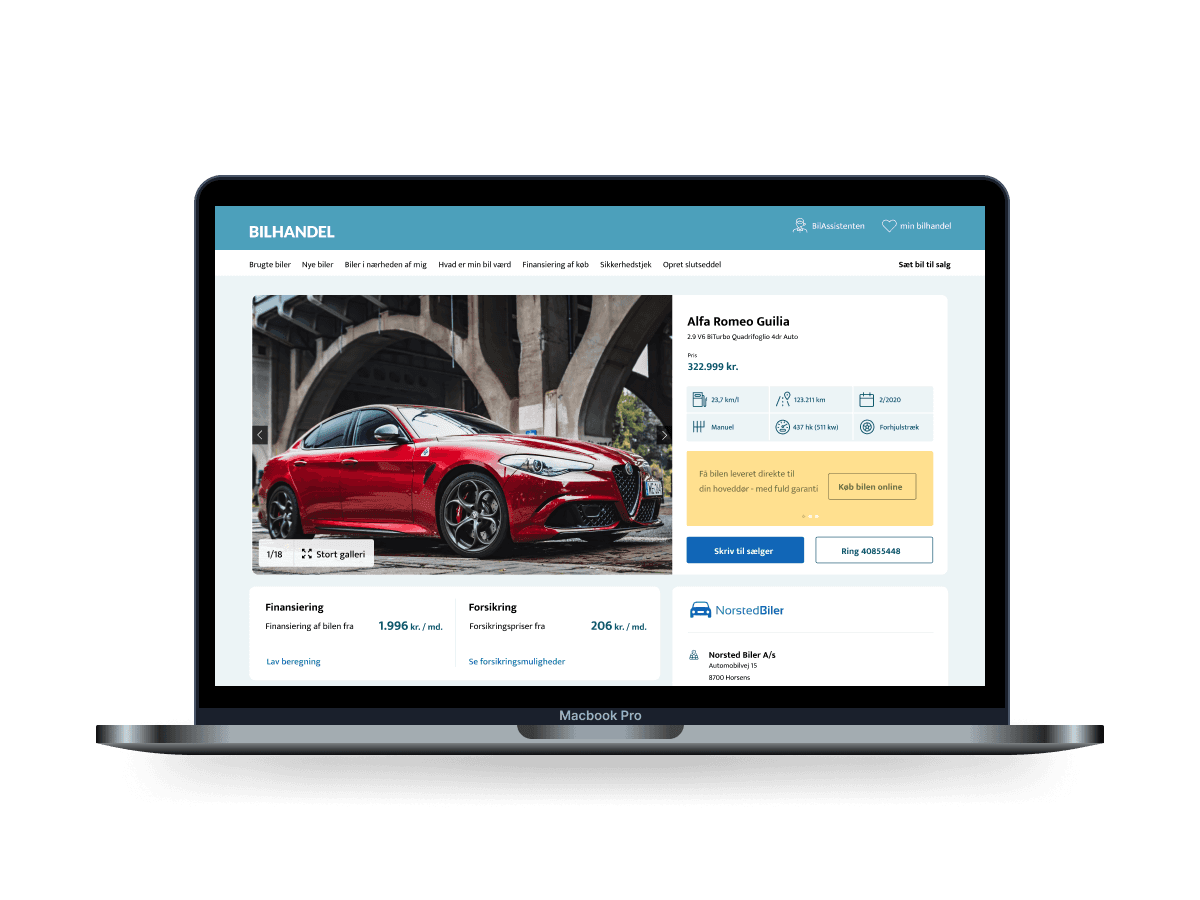
Bilhandel.dk
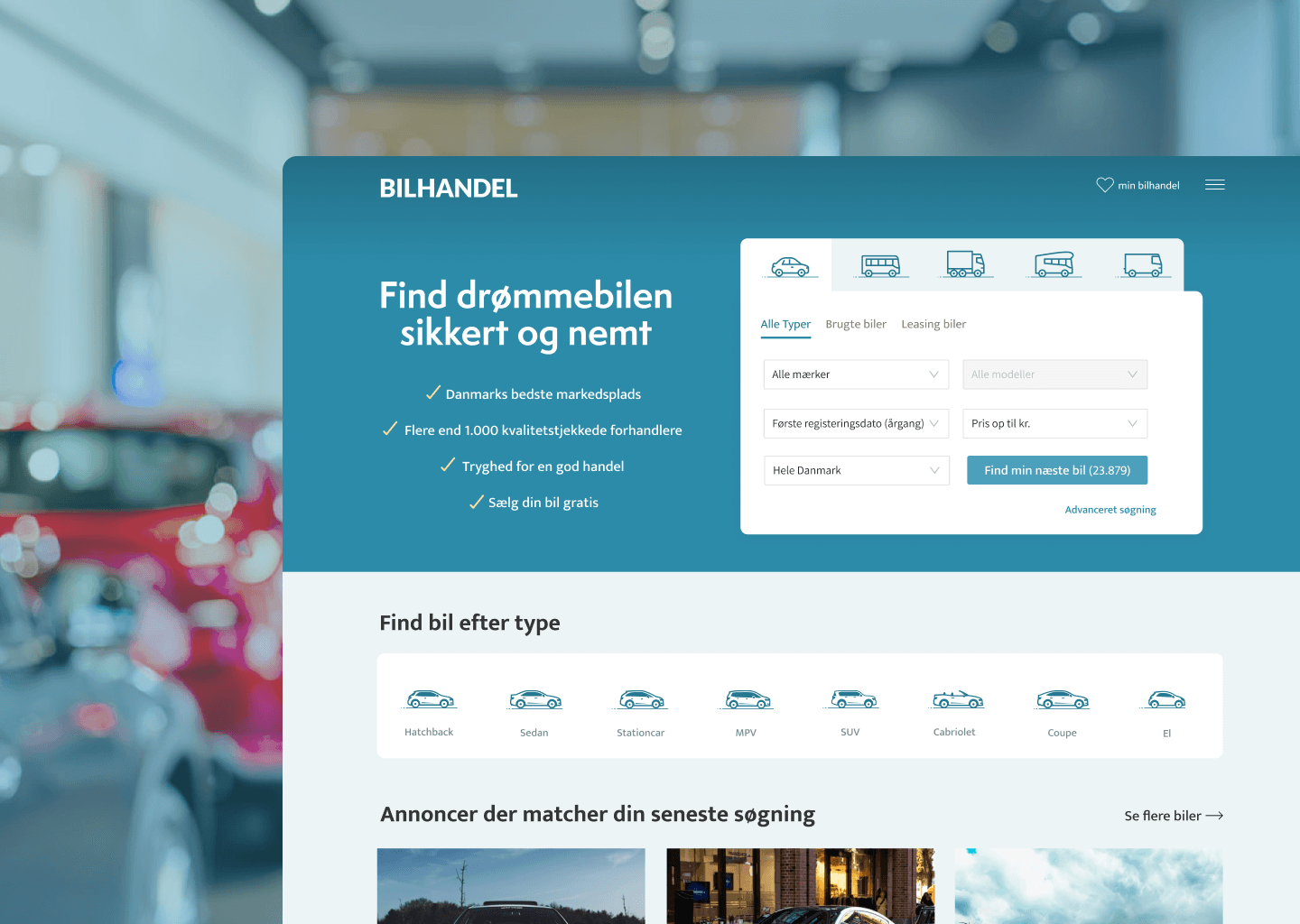
Overhaul for Denmark's leading car marketplace
- Discovery research
- Stakeholder workshops
- Behaviour analysis
- Journey mapping
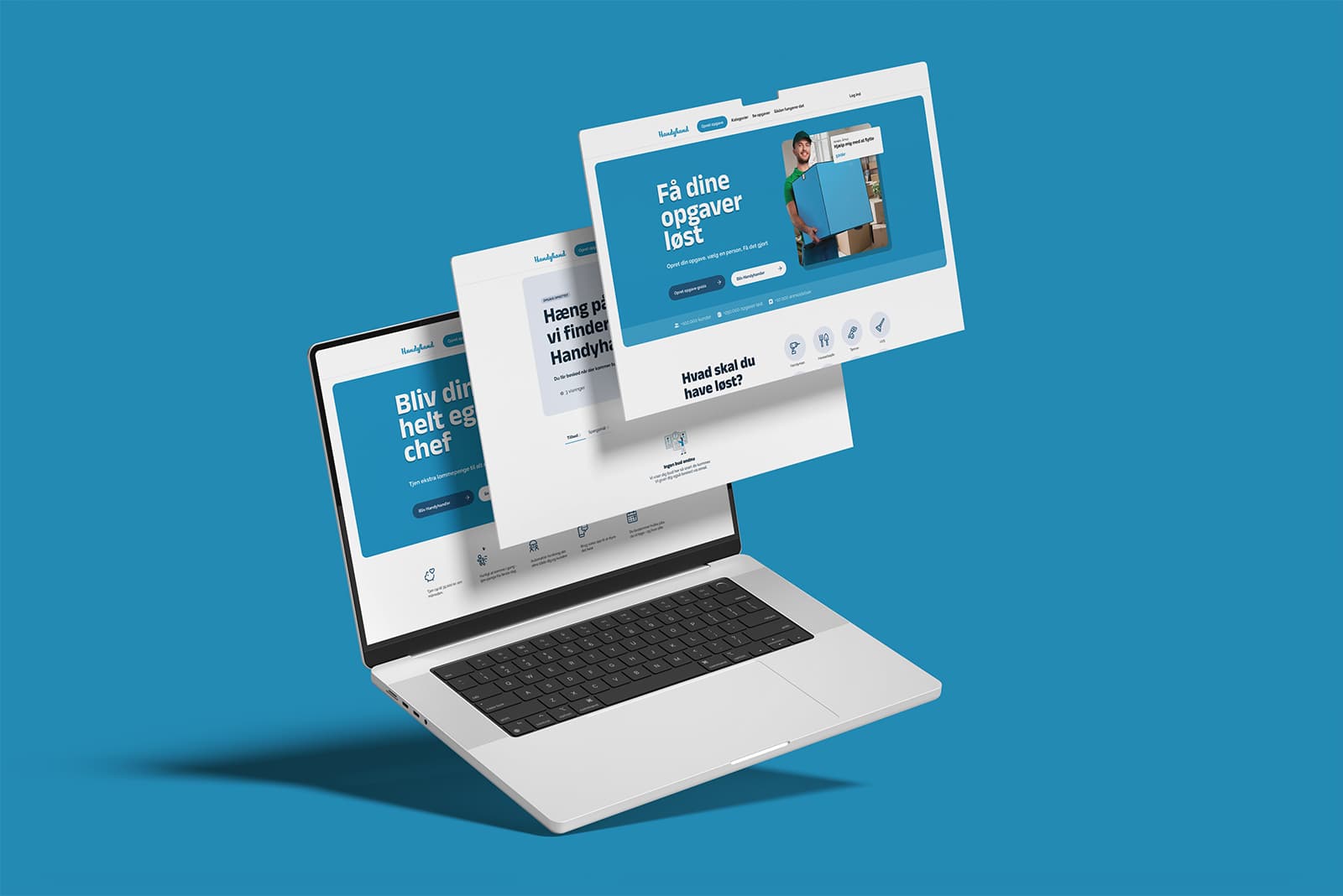
- 05Online services · 2024
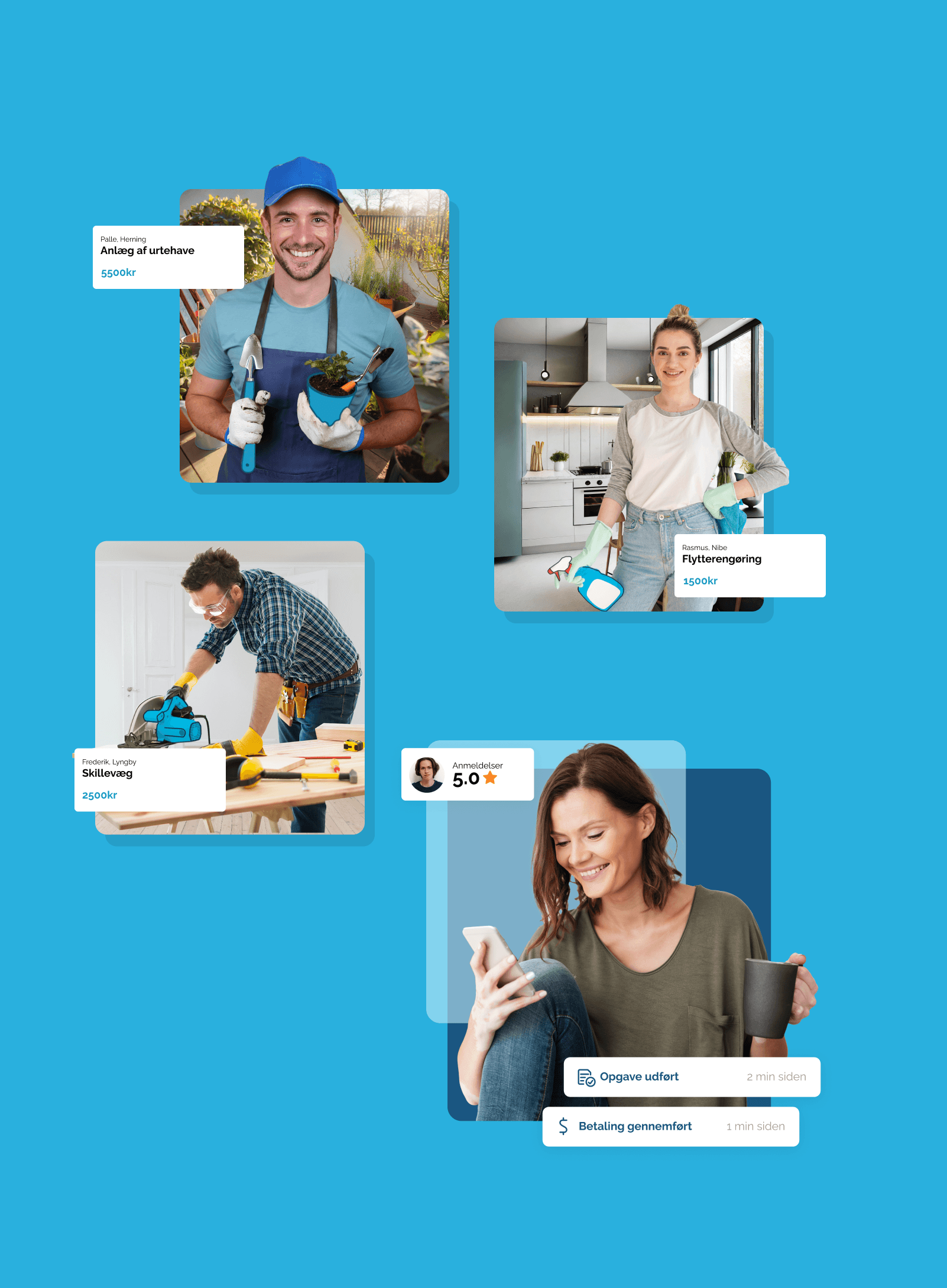
Handyhand.dk
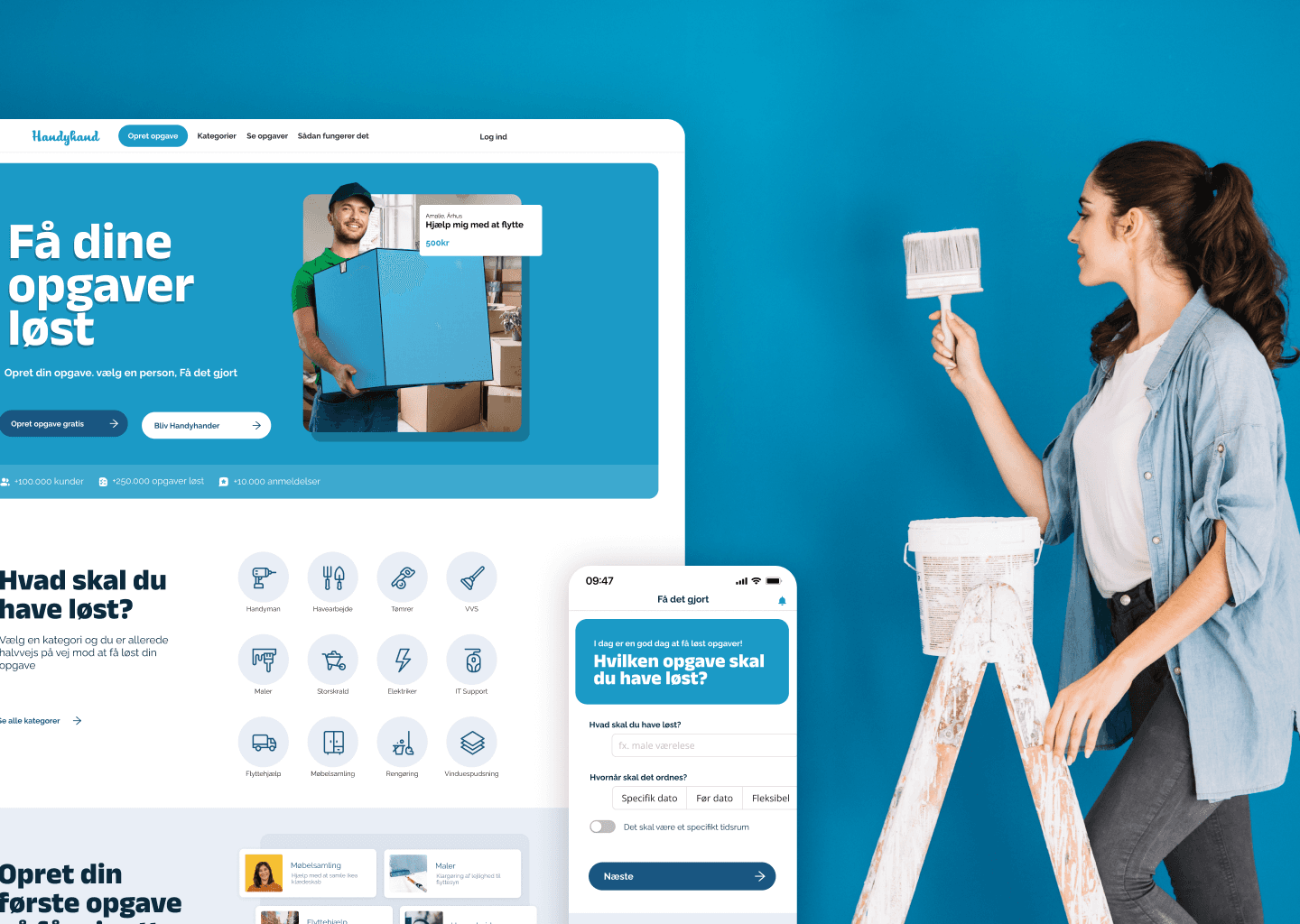
Redesigning Handyhand for clarity, consistency and conversion
- Market research
- Competitor analysis
- User experience
- Journey mapping
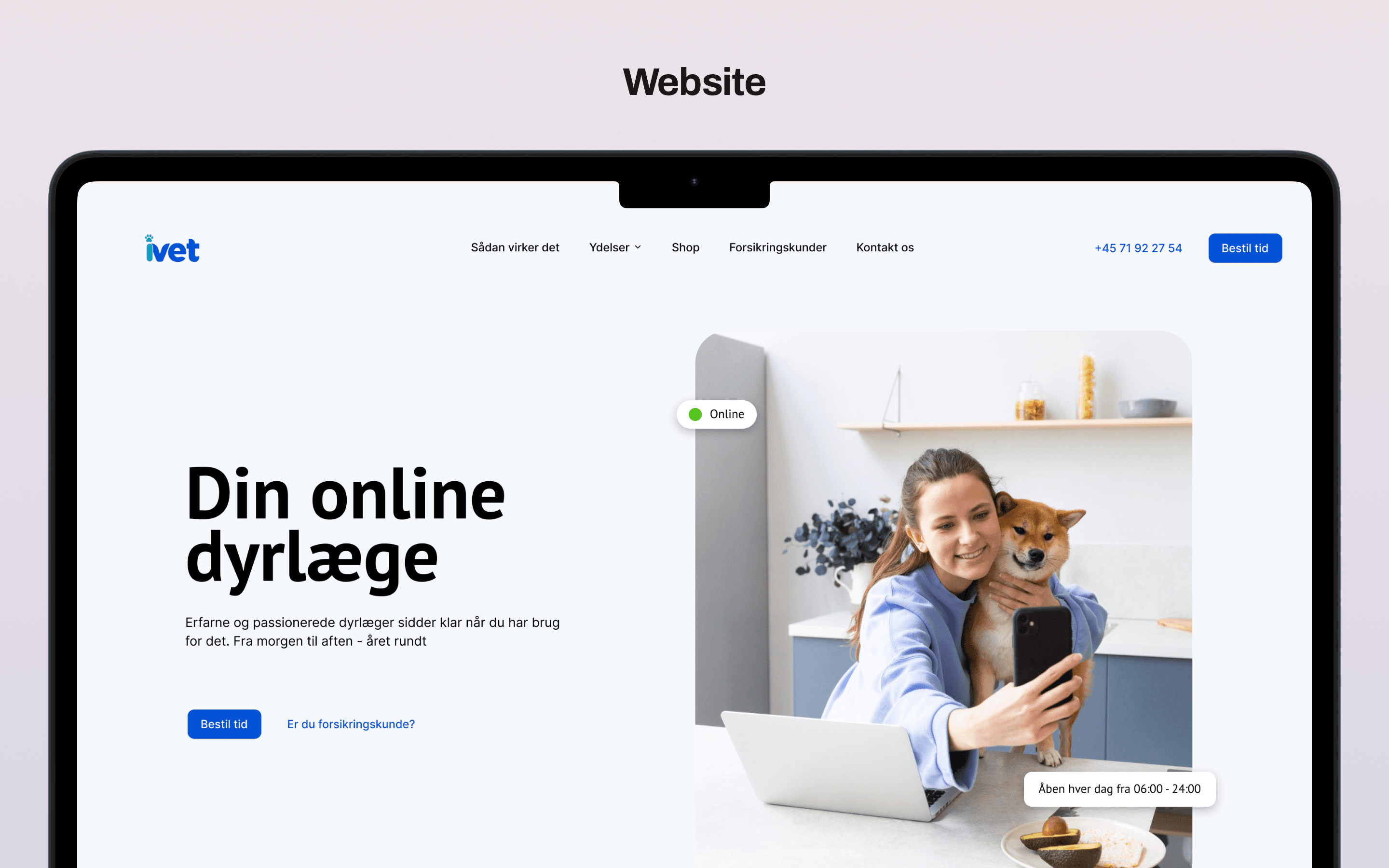
- 06Telemedicine · 2026
iVet
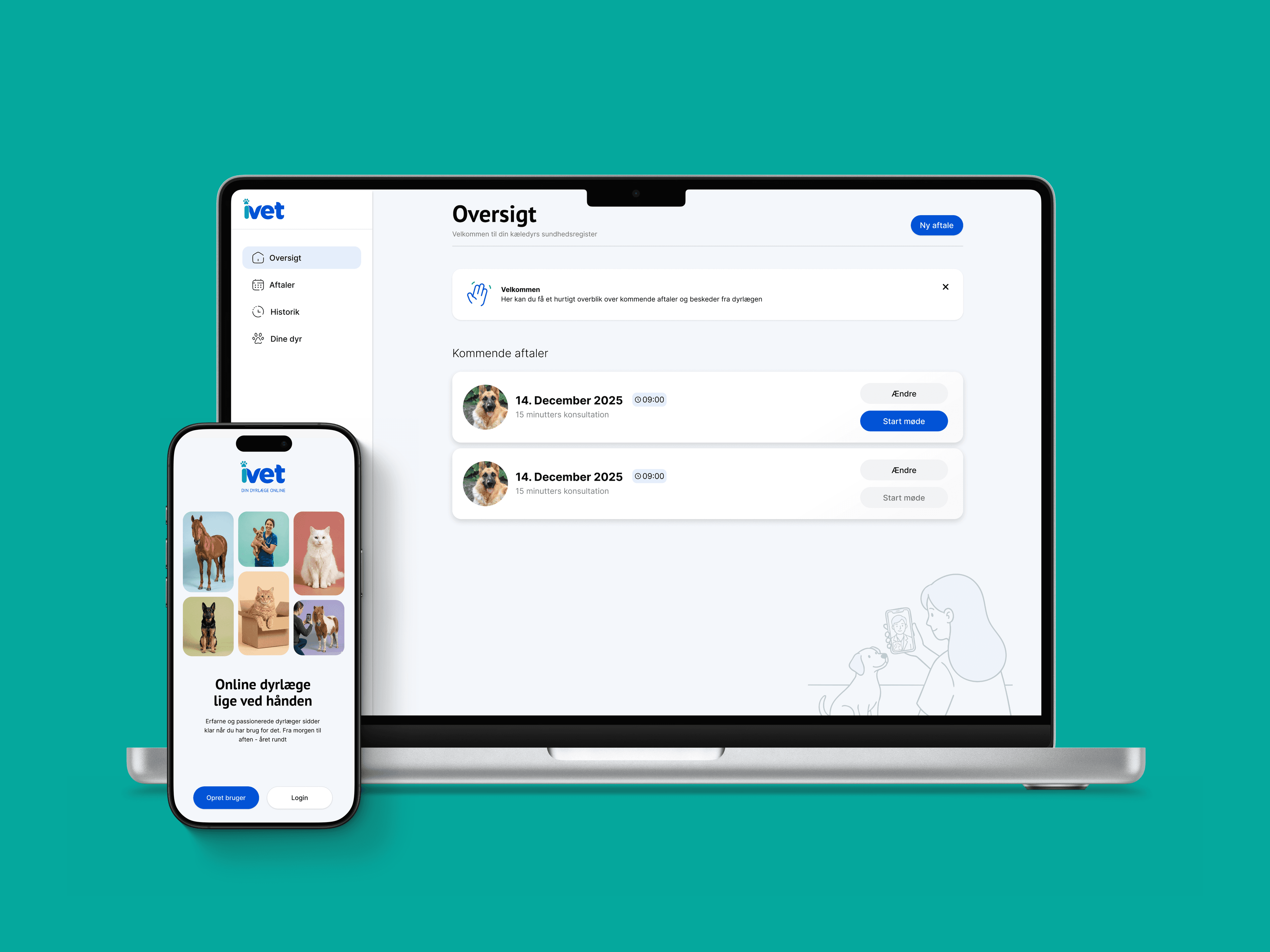
Bringing consistency and clarity to iVet's digital experience
- Journey mapping
- Landing page design
- Web app redesign
- Mobile app design
- 07Health & rehabilitation · 2023 — 2024
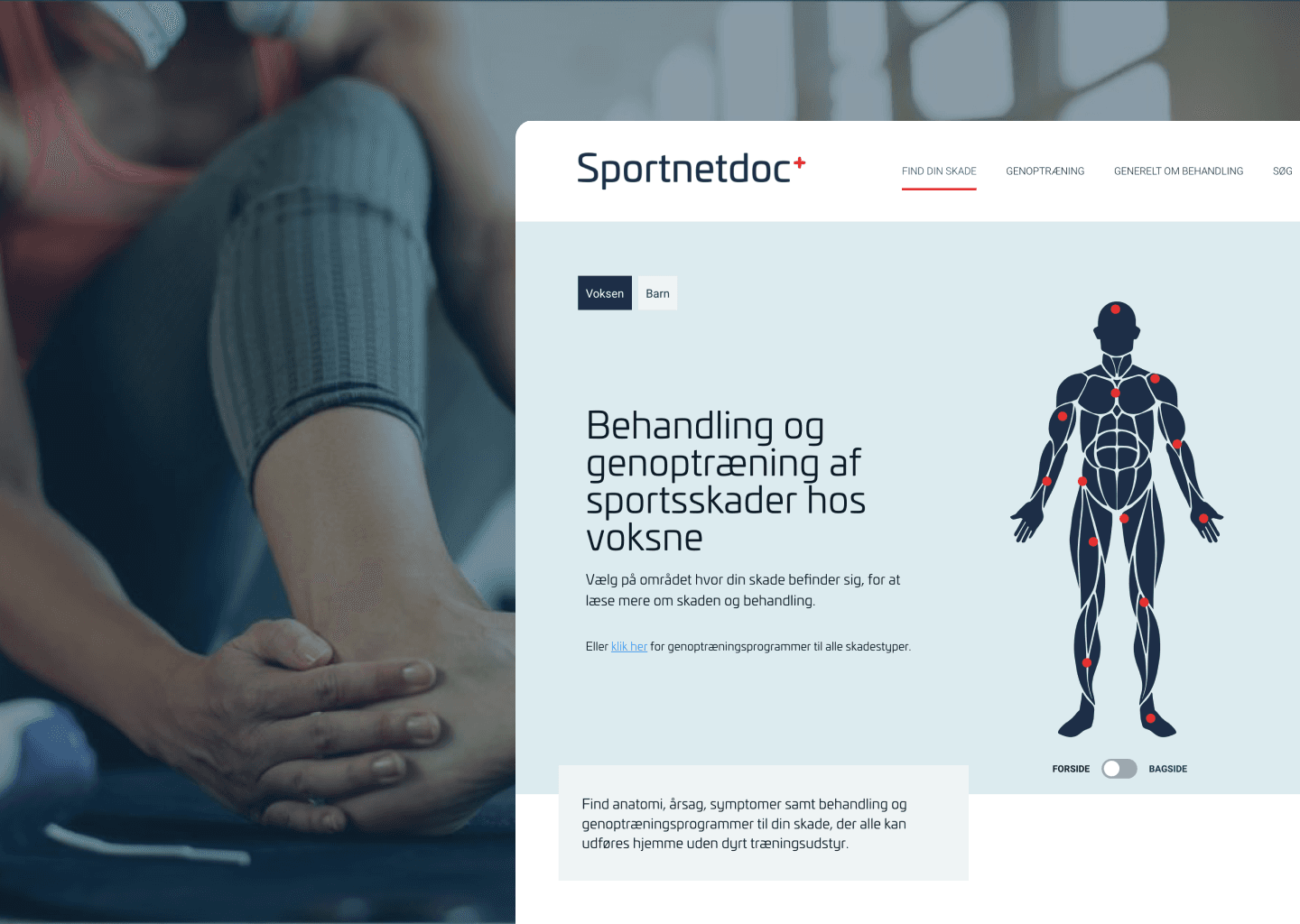
Sportnetdoc
Full rebrand and CMS build for a sports injury platform
- Branding
- Logo design
- Colour system
- User experience
- 08SEO / SaaS · 2023 — 2024
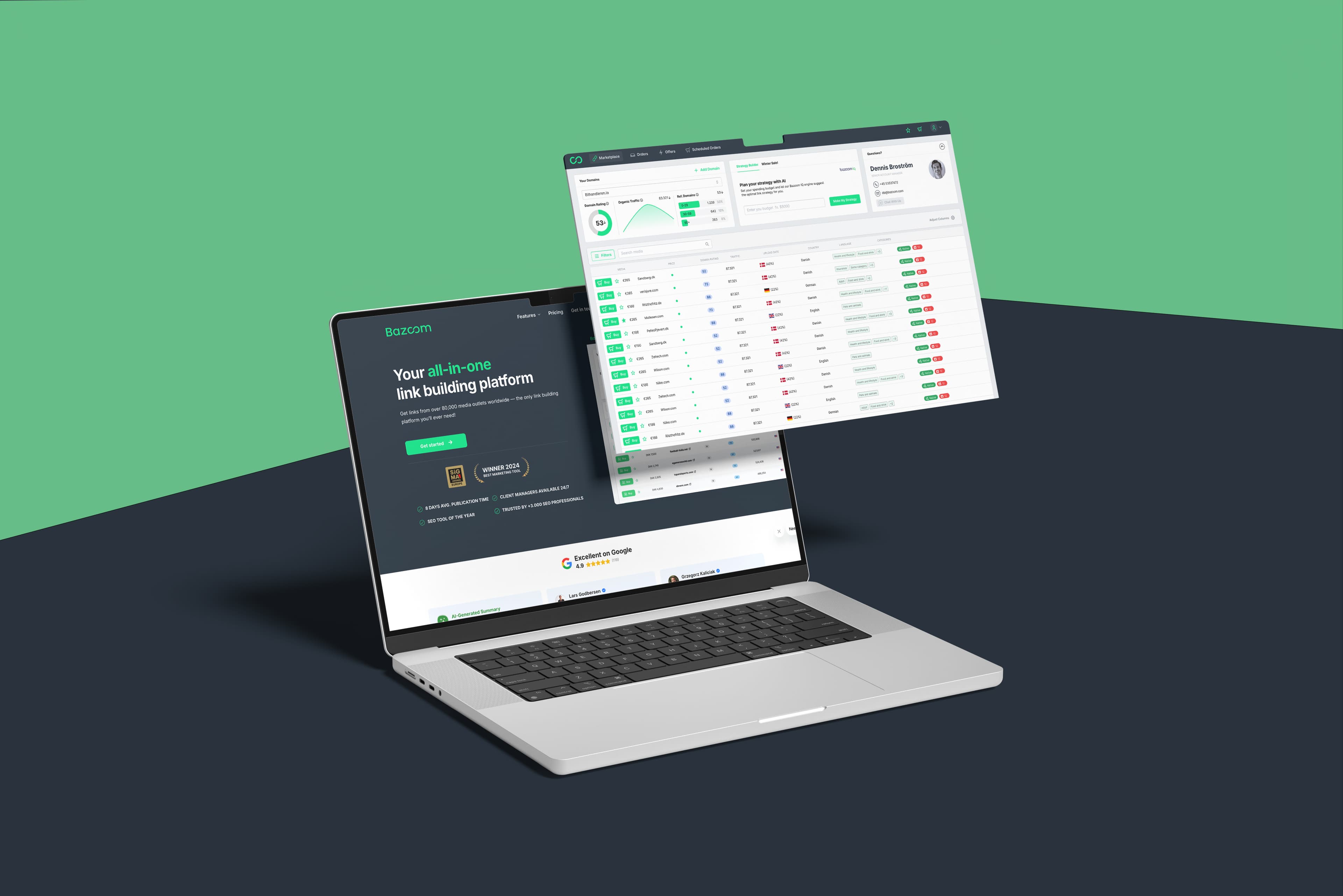
Bazoom
New look & feel to leading SEO platform
- Branding
- Logo design
- Typography
- User experience
02Experience
Twenty-five yearsof hard problems
1999 — Present
UX.dk
Product Design Consultant
- A long-running independent practice kept active alongside in-house roles. Working across different domains and teams keeps my thinking broad rather than shaped by one product's patterns.
- End-to-end UX for Danish platforms across e-commerce, marketplace and fintech, from problem framing through research to high-fidelity UI.
- Prototyping with AI-assisted tooling and vibe coding, validated through usability and A/B testing.
Nov 2018 — Jan 2026
Impero
Head of Design
~11,000monthly active users
- Led UX and design strategy for a B2B GRC platform, turning dense tax, finance and regulatory workflows into clear product experiences.
- Operated as design lead in a product trio with a product manager and engineering lead, co-owning direction and outcomes from discovery to delivery.
- Built and owned a scalable design system and pattern library that became the baseline across the platform.
Apr 2018 — Nov 2018
Jyske Bank
Senior UX Designer
- Designed digital products for private banking and investment customers across web and mobile in a cross-functional team.
- Coordinated across private banking, investment and compliance, translating competing priorities into coherent design decisions.
Apr 2015 — Apr 2018
BankData
Senior UX Designer
New platformdesigned and rolled out
- Primary UX designer for BankData's private e-banking platform, one of Denmark's most widely used digital banking products, owning design quality for multiple member banks.
- Designed an entirely new e-banking platform and saw it through to rollout, the main focus of my time there, and worked in a team weighing different technologies for a mobile app.
- Challenged decisions where analytics alone weren't enough, pushing for research to surface the who and why behind the what.
Jan 2014 — Apr 2015
Creuna (now Knowit)
Senior UX Designer
- Research, journey mapping, usability testing and end-to-end interaction design for clients including Bestseller, VELUX and AS3.
- Worked across several clients and industries in parallel, building the habit of onboarding into unfamiliar domains quickly and framing the real problem first.
Apr 2004 — Dec 2013
eBay Marketplaces Denmark
Lead User Interface Designer
+30%completion on dba.dk's sell flow
- Led UX and UI for dba.dk, Denmark's number one online marketplace, and Bilbasen.dk, the leading car trading platform, shaping experiences used by millions of Danes.
- Led the 2011–2012 redesign of dba.dk's sell-your-item flow, lifting completion by ~30% and monetisation by ~22%. The flow stayed essentially unchanged for over a decade.
- Designed one of Denmark's first dedicated iPad apps, for Bilbasen.dk, leaning on prototyping and user testing in a space with few benchmarks.
03Capabilities
What I actually do
Not a methodology I apply the same way every time. These are the tools; which ones come out depends on the problem.
Research & discovery07
- Discovery workshops
- User research
- User interviews
- Usability testing
- Journey mapping
- Problem framing
- A/B & split testing
Design & craft06
- UI design
- Interaction design
- Wireframing
- Prototyping
- High-fidelity UI
- Mobile & responsive
Systems & strategy06
- Design systems
- Design patterns
- Information architecture
- User flows
- UX strategy
- Digital transformation
Tools05
- Figma
- Sketch
- Adobe suite
- AI-assisted prototyping
- Vibe coding
- Languages
- DanishNative
- EnglishFluent
- GermanBasic
04How I work
Product-focused UX & designfor complex digital platforms
My process starts with understanding – not assumptions. I facilitate discovery, define direction, and then design end-to-end.
- 01
Shared clarity
Understanding the problem space – users, constraints and goals – before designing. The best solutions start with shared clarity.
- 02
Insight-driven decisions
Research, testing and validation are tools to reduce uncertainty and shape design direction with confidence.
- 03
Cross-functional collaboration
Great products are built with product and engineering, not in isolation. Continuous collaboration leads to stronger outcomes.
- 04
Scalable solutions
Designing with consistency and long-term use in mind — building patterns and systems that support growth and future development.
05About
25 years makinghard thingsfeel simple
- Based
- Salten, near Silkeborg
- Looking for
- Senior UX / Product Design, in-house
- Work model
- Hybrid or office, Aarhus area
- Also
- Mountain biking, vintage BMW, padel
I'm Thomas – a senior UX and product designer with 25 years across some of Denmark's most complex and high-traffic digital products.
I spent seven years as Head of Design at Impero, turning tax law and compliance logic into interfaces real people could actually use. Before that, I led UX for dba.dk and Bilbasen.dk at eBay Marketplaces – platforms used by millions of Danes. And before that, e-banking at BankData and Jyske Bank, where the stakes of getting it wrong were very real.
I work best where the problems are genuinely hard — where you can't just copy a pattern and call it done. I'm hands-on, collaborative, and currently exploring what AI-assisted design can do when applied with real craft and critical judgment rather than just speed.
“You can't just copy a pattern and call it done.”
Trusted by









Let's createa digital experiencethat stands out.
Together.
Hiring, or have a problem that resists the obvious solution? Get in touch.