Designing for compliance: making complex workflows feel manageable

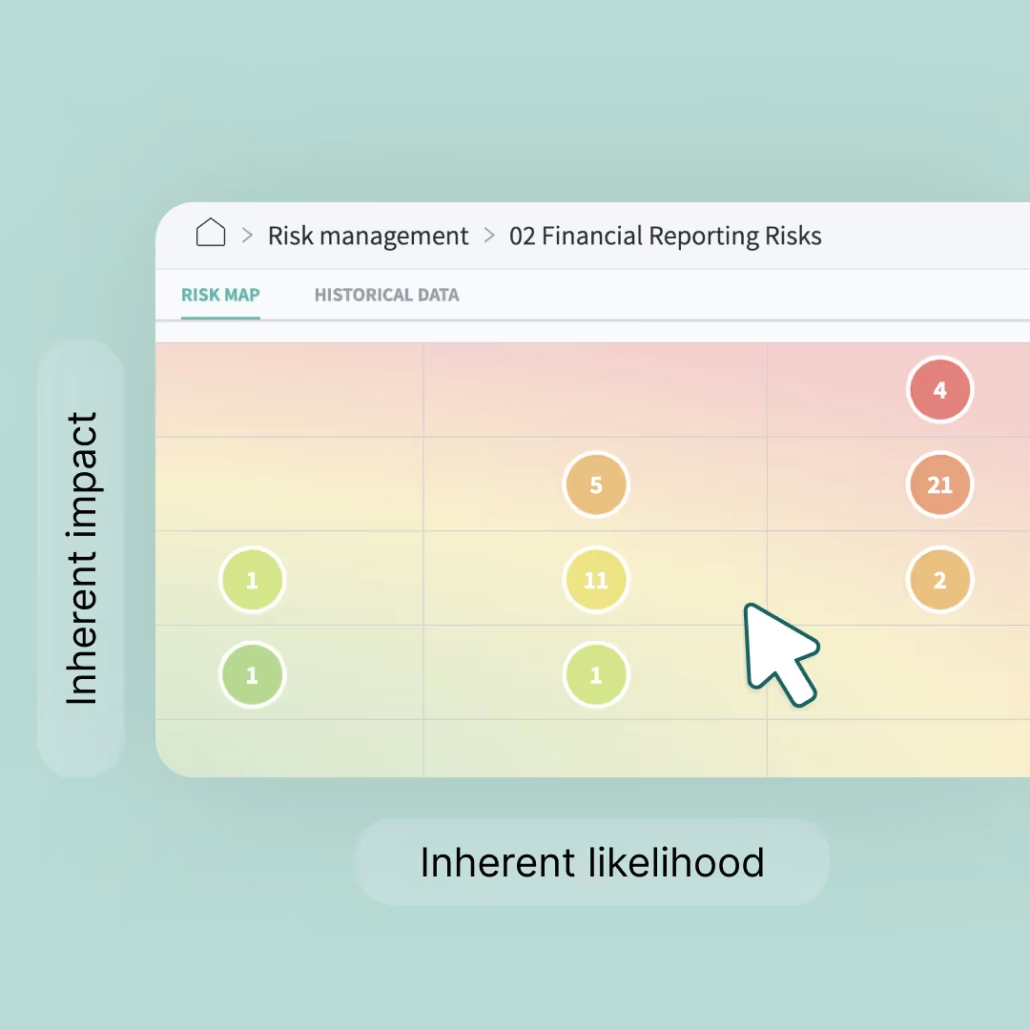
Impero is a cloud-based GRC platform used by 200+ enterprise organizations across Europe, including some of the largest companies in the DAX40. It helps finance, tax, and compliance teams manage risk and internal controls at scale. I joined as Head of Design and spent seven years shaping the product experience from the ground up.

A cohesive product experience 

Context & Challenge

Compliance software has a reputation for being painful to use, and not without reason. The domain is genuinely complex: trigger-based control workflows, multiple user roles with different permissions, and regulatory requirements that can’t be simplified away. Enterprise customers need audit-ready documentation at every step.

The design challenge wasn’t just usability. It was building an experience that gave users real confidence in a high-stakes context, without hiding the complexity they actually needed.

Key challenges included:

  • Multiple user roles with different permissions and workflows (compliance managers, control owners, auditors)
  • Complex trigger-based control logic that had to be clear without being oversimplified
  • Designing for audit readiness without creating friction in day-to-day tasks
  • Building scalable patterns that could support a growing feature set without fragmenting the experience

Role & scope

As the sole designer I owned the full product design process across discovery, strategy, UX and UI. I worked directly with product management and engineering throughout delivery, not just at handoff. Over seven years I defined the design patterns, built and maintained the design system, and contributed to product decisions at roadmap level.

My responsibilities included:

  • Product discovery and UX research
  • Journey mapping and workflow design
  • UX/UI design and prototyping
  • Design system development
  • Cross-functional collaboration with product and engineering

The Process

Discovery & problem framing

To understand user needs I conducted interviews with product owners and compliance specialists, ran workshops to surface pain points in existing workflows, and analysed user behaviour across task types. The goal was to identify where the experience was creating friction and where the real design risk was hiding. In a domain this complex, the dangerous assumptions are rarely obvious up front.

Journey and workflow mapping

With trigger-based control logic and multiple user roles in play, I mapped core user journeys alongside trigger and control relationships, and plotted user goals against actual task complexity. This work was as much about alignment as it was about design. Getting stakeholders to agree on where the biggest UX risks were made the subsequent design decisions significantly easier to move through.

Prototyping and iteration

Working in Figma, I moved from wireframes to interactive prototypes through a regular cycle of design reviews with product and engineering. Validation happened with internal stakeholders rather than waiting for development to surface problems. The tight feedback loop meant we caught structural issues early and kept the product moving without costly late-stage rework.

Design systems and scalable patterns

To support long-term product growth I defined reusable UI patterns, built a shared Figma component library, and standardised interactions across workflows. This gave the team a shared design language and reduced design-to-dev friction as the product scope expanded.

Outcome

Impero has maintained a customer churn rate of under 2%, which in enterprise SaaS reflects both product quality and genuine user satisfaction. The platform holds a 4.7 out of 5 rating on G2, with 83% of reviewers giving it 5 stars and no reviews below 4. Many of the customers who joined in the early years are still on the platform today.

The product supported Impero’s Nasdaq listing in 2021 and its continued expansion into the DACH market, where it gained traction with some of Germany’s largest enterprises.

Other projects

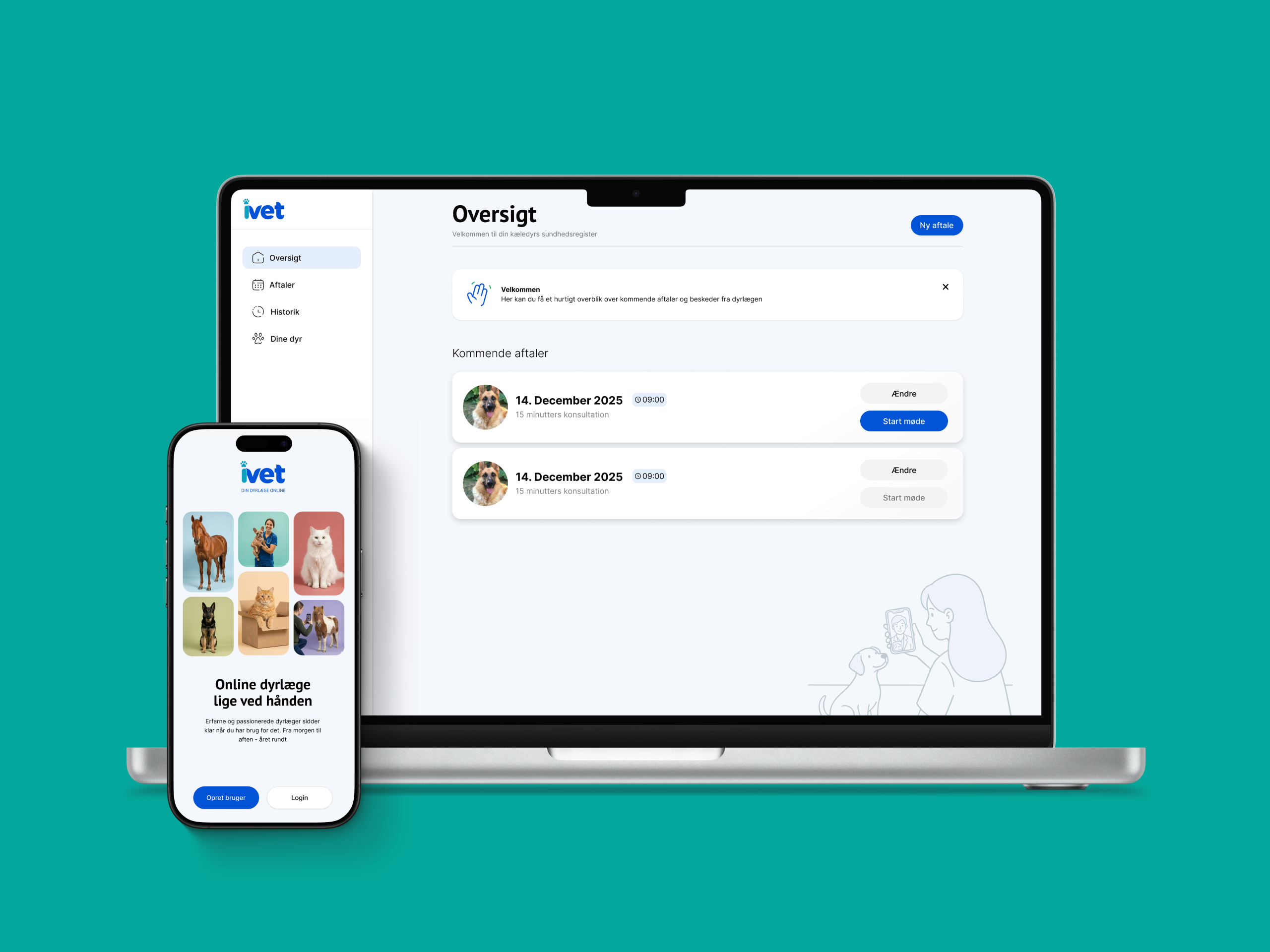
Bringing consistency and clarity to iVet’s digital experience

iVet is a Danish telemedicine platform connecting pet owners with qualified vets through online video consultations, available daily from 06:00 to 24:00. Founded by vet Christina Aggerholm in 2022, iVet gained national attention after appearing on DR’s Løvens Hule in January 2024, attracting bids from three investors and landing a deal with Anne Stampe. The platform serves both direct customers and insurance customers through partnerships with several of Denmark’s largest insurers. I was brought in to bring design coherence to a product that had been touched by multiple designers and had grown inconsistent as a result.

Brand and UX design for a platform making private car sales safer

Buying or selling a car privately in Denmark is stressful. There’s no safety net, no standard process, and plenty of ways for things to go wrong — debt hidden in the vehicle, disputes over condition, missing paperwork. NEMbilhandel.dk was built to fix that: a free platform guiding buyers and sellers through the entire transaction, from vehicle check to signed purchase agreement. I designed the brand and the full product experience from scratch.